A: If we have stock, MOQ 3000pcs. | B: If out of stock, MOQ is 10000pcs.


Views: 0 Author: Site Editor Publish Time: 2026-09-02 Origin: Site


Skincare packaging supplies represent a specialized segment of the cosmetic packaging industry, serving formulations that require specific protection properties, dispensing functionality, and brand communication. The global skincare packaging market continues to expand, driven by consumer demand for premium formulations, sustainable materials, and functional packaging that preserves active ingredients. Guangzhou Ruijia Packaging Products Co., Ltd. supplies skincare packaging supplies to clients across North America, Europe, and other international markets, with capabilities spanning glass and plastic containers, custom decoration, and sustainable material options.
The global skincare packaging market is projected to reach significant value by 2032, growing at a compound annual growth rate of 4.1 percent during the forecast period. The primary packaging segment dominates with a substantial revenue share, driven by direct contact with formulations requiring barrier protection, UV resistance, and hygienic dispensing. Airless pumps alone account for a significant portion of the primary packaging subsegment, driven by demand for preservative-free serums and advanced vitamin C formulations.
Several factors drive sustained demand for skincare packaging supplies. Consumer willingness to pay a premium for packaging that visually and tactilely reinforces brand positioning has spurred manufacturers to adopt high-barrier films, airless vials, and multi-component jars with specialty closures. The proliferation of direct-to-consumer prestige skincare brands and subscription beauty boxes has created demand for packaging that offers both aesthetic appeal and functional integrity. Sustainability requirements have accelerated adoption of recyclable materials, with PCR plastics and glass gaining market share.
Regional growth patterns show North America dominating the skincare packaging market with a substantial revenue share, driven by high consumer spending on premium beauty products, robust e-commerce penetration, and a strong base of specialized converters. Europe holds a significant share, with France, Italy, and the U.K. as leading markets where heritage luxury skincare houses prioritize high-quality packaging production. The Asia Pacific market is anticipated to grow at the highest rate, driven by rising beauty consumption in countries including China and Japan.
Skincare packaging supplies are manufactured from multiple material categories, each offering specific properties for various formulation types. Understanding material differences supports appropriate selection based on formulation sensitivity, brand positioning, and sustainability goals.
Glass remains a preferred material for premium skincare packaging, offering chemical stability and complete barrier protection. Glass does not react with cosmetic formulations, ensuring product integrity over extended shelf lives. Amber glass provides UV protection for light-sensitive formulations, blocking approximately 95 percent of UV radiation. Violet glass offers advanced protection that filters harmful UV rays while allowing beneficial violet light to extend shelf life naturally. Clear glass offers product visibility but requires secondary protection for light-sensitive formulations. Glass held the second-largest share of the skincare packaging market, driven by luxury serums and creams seeking a premium, recyclable aesthetic.
Plastic represents the largest material segment in skincare packaging, offering cost efficiency, lightweight construction, and versatility across formats. PET provides clarity and high transparency, suitable for showcasing product color and consistency. PET-based airless bottles are particularly favored for their clarity, UV protection with barrier coatings, and recyclability in many regions. PP offers enhanced chemical resistance for formulations containing oils and solvents. PETG and co-extruded plastics combine different plastic properties through multi-layer co-extrusion technology, significantly improving oxygen and moisture barrier performance for mid-to-high-end formulations.
Post-consumer recycled content is increasingly available across material types. Refillable PET jars incorporating post-consumer recycled material with PP refill components represent a growing trend in sustainable skincare packaging. Mono-material PP jars with matching PP closures meet 100 percent recyclability requirements while maintaining premium aesthetics through double-walled construction.
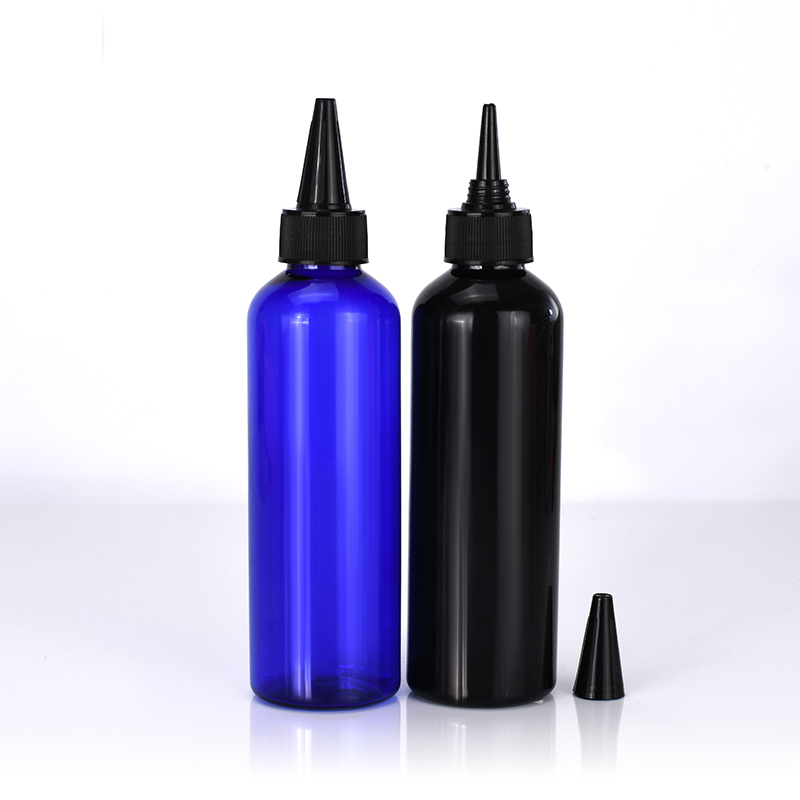
Skincare packaging supplies are available in multiple container types to accommodate different product categories and usage patterns.
Jars are commonly used for creams, balms, and treatment products. The 50ml jar format is standard for face creams, with double-walled PP jars providing a premium appearance suitable for face creams and other skincare products. Amber frosted PET jars combine UV protection with a soft, matte appearance that reduces fingerprint marks and supports clean retail presentation. The 100ml capacity is commonly selected for daily-use skincare products such as facial creams and moisturizing masks. Wide-mouth openings allow easy filling during production and convenient consumer access.
Bottles are used for serums, lotions, toners, and treatment products. Dropper bottles with glass pipettes and precision dispensing systems are commonly specified for serums and concentrates. The 5ml clear glass bottle with dropper assembly enables hygienic, drop-accurate dispensing, making it particularly suitable for serums, concentrates, and ampoule treatments.
Airless dispensing systems are increasingly specified for sensitive formulations requiring protection from oxidation and contamination. Airless pumps preserve active cosmetic formulas by preventing air contact during use. These systems are particularly valued for preservative-free serums and advanced vitamin C formulations.
Tubes are used for concentrates and treatment products. PE squeeze tubes with cannula-based dispensing systems are specified for targeted application products such as soothing concentrates.
Closure systems are critical components of skincare packaging supplies, providing sealing, product protection, and user convenience. Multiple closure options are available for different formulation and application requirements.
Pump dispensers provide controlled dispensing for lotions, serums, and liquid products. Pump mechanisms are available in various output volumes. Airless pump systems provide protection against oxidation and contamination, making them suitable for formulations with low preservative content.
Dropper closures are used for serums, essential oils, and treatment products requiring precise dosage. Glass pipettes with rubber or silicone bulbs provide hygienic, drop-accurate dispensing. Dropper necks are typically standardized at 18mm for capacities up to 100ml. PP caps with thermoplastic elastomer bulbs offer functional dispensing with recyclable components.
Screw caps provide secure sealing for jars and bottles. Caps are available in plastic and metal materials with various color and finish options. Inner liners provide additional sealing performance. Mono-material PP caps matching jar materials meet 100 percent recyclability requirements.
Specialty closures include child-resistant caps for OTC skincare products requiring tamper-evident seals. Magnetic closures and multi-component jars are used in premium skincare lines to enhance brand positioning.
Sustainability has become a critical consideration in skincare packaging selection. The demand for sustainable packaging drives significant growth as increasing environmental awareness and regulatory pressure push brands to adopt biodegradable, recyclable, and refillable packaging solutions.
Post-consumer recycled content is increasingly available across material types. Refillable PET jars incorporating 30 percent PCR material with PP refill components demonstrate how brands are combining material reuse with recyclability. PP refill cups and lids made from recycled materials, combined with reusable jars and caps, reduce packaging waste while maintaining premium presentation.
Mono-material designs simplify recycling by eliminating the need to separate components. Double-walled PP plastic jars with matching PP closures meet 100 percent recyclability requirements without sacrificing aesthetics or tactile quality. PET jars with PP lids, where PET and PP belong to the same recycling stream and can be cleanly separated, also achieve recyclability.
Lightweighting strategies reduce material consumption. Sustainable material options including biodegradable wheat straw composites are available for brands seeking reduced petroleum content. Wheat straw shampoo lotion bottles and biodegradable wheat straw pump bottles combine sustainable materials with practical dispensing performance.
Energy-efficient manufacturing technologies reduce environmental impact. Green manufacturing practices including smart warehousing, automated material supply systems, and solar power integration support reduced carbon emissions. Digital management systems enable full-process traceability from raw materials to finished products.
Quality assurance is essential for skincare packaging supplies, as packaging directly affects product integrity, consumer safety, and brand reputation. Suppliers with systematic quality management systems produce more consistent results and provide documentation required for market access.
ISO 9001 certification indicates systematic quality management across production operations. ISO 22716 certification for Good Manufacturing Practices in cosmetics demonstrates adherence to hygiene protocols and consistent manufacturing practices. FDA registration confirms U.S. market compliance. REACH compliance documentation confirms that substances used in production meet European regulatory requirements.
Quality control procedures include incoming material inspection, in-process monitoring, and finished product testing. Dimensional inspection verifies outside diameter, height, wall thickness, and neck finish dimensions. Visual inspection detects surface defects. Leak testing verifies closure sealing integrity. Cap seal integrity and closure torque are verified for functional performance.
Industry standards participation demonstrates technical expertise. Manufacturers participating in national and industry standard development for PET packaging demonstrate commitment to quality and innovation. Food-grade plastic packaging production licenses confirm suitability for cosmetic contact applications.
Wholesale procurement of skincare packaging supplies involves practical considerations that affect cost, lead time, and supply chain reliability. Understanding these factors supports informed purchasing decisions.
Pricing depends on material type, capacity, decoration requirements, and order quantity. Volume discounts are typically structured at tiers including 1,000, 5,000, and 10,000 units. Custom decoration adds to base pricing. Free sample service is typically available for product testing and approval.
Minimum order quantities vary by supplier and product type. Stock items may have MOQs of 100 pieces. Custom decoration typically requires 1,000 pieces minimum. Custom mold development requires higher minimums depending on design complexity.
Lead times vary based on product type and decoration requirements. Standard undecorated products typically have lead times of 15 to 25 days for larger quantities. Custom decoration adds 10 to 15 days. Custom mold development adds 30 to 60 days for tooling. Rapid prototyping services can deliver physical models within five to seven working days.
Shipping options include sea freight, air freight, and courier services. Sea freight is the most cost-effective option for container quantities, with transit times from Chinese ports to major international destinations ranging from 14 to 35 days. Products are typically packed in shrink wrap, cartons, and pallets for safe delivery.
Payment terms typically require a 30 percent deposit with the balance paid before shipment. T/T is the standard payment method for international procurement.
Skincare packaging supplies from Chinese suppliers offer production capacity, material options, and customization capabilities for brands seeking reliable packaging solutions. The global skincare packaging market continues to expand, driven by consumer demand for premium formulations, sustainable materials, and functional packaging. Plastic remains the largest material segment with PET-based formats favored for clarity and recyclability, while glass holds a significant share driven by luxury skincare applications.
Material options including glass, PET, PP, and sustainable alternatives offer different protection properties for various formulations. Container types including jars, bottles, airless systems, and tubes accommodate different product categories. Closure systems including pumps, droppers, screw caps, and specialty closures affect dispensing and user experience.
Sustainability initiatives including PCR content, mono-material designs, and refillable systems support environmental responsibility. Quality assurance systems including documented inspection procedures and compliance certifications indicate systematic quality management. Wholesale procurement considerations include pricing, minimum order quantities, lead times, and shipping options.
Guangzhou Ruijia Packaging Products Co., Ltd. manufactures skincare packaging supplies with material options, capacity ranges, and decoration capabilities suitable for cream, serum, lotion, and treatment applications. Technical consultation, quality assurance, and logistics coordination support projects from specification through delivery. Sample availability and lead time quotes are provided upon request for brand verification and production planning.